Everything worth asking before buying table linen for life
Buying quality table linen should be simple. But somewhere along the way, we stopped knowing what to look for.
Should you choose linen or cotton? A full tablecloth, or only napkins and placemats? Which details determine whether a tablecloth will survive two dinners or two hundred?
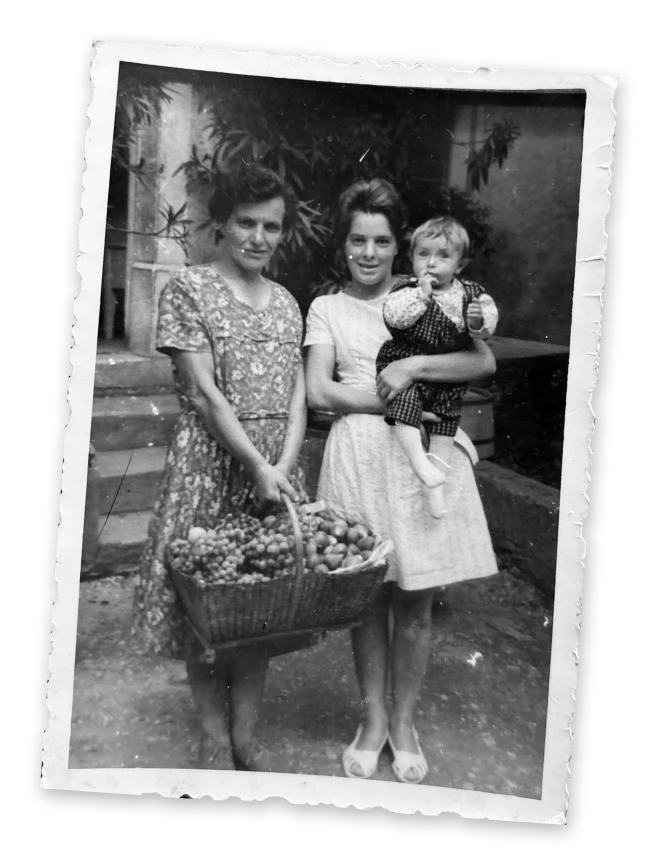
Many of us are lucky enough to remember table linen inherited from our (grand)parents. Embroidered napkins. Heavy linen tablecloths that have already seen thousands of family lunches and still look ready for the next one.
Yet today, table textiles are often treated differently. We replace them with the seasons, follow Pinterest trends, and rarely ask the questions that determine whether they’ll still be on our table twenty years from now.
So we did the digging for you.


For this guide, we spoke with two of our textile makers: Christoph Kobler, CEO of Vieböck in Austria, and Inês Vaz Pinto, Partner and Creative Director at Torres Novas in Portugal, as well as independent textile expert Tjaša Brataševec, owner of a local textile shop Polonca in Slovenia, who has spent decades helping people choose and care for home textiles.
Together, they helped us understand how to choose table linen that fits the way you actually eat, wash and gather, not just how you decorate.
6 Questions to Ask Before Buying Table Linen That Lasts

1. How will you actually use it?
Is it for everyday family dinners? Weekend brunches? Christmas lunches? A table where children paint, spill tomato sauce and do homework? Or something you bring out only for special occasions or summer evenings in the garden?
Your answer shapes almost every decision that follows.
- For everyday use, choose natural materials like linen or cotton that comfortably withstand frequent washing, even at higher temperatures where stains are more likely to come out. White or neutral colours are often the most practical as they don’t fade and pair effortlessly with changing tableware over the years.
- For special occasions, practicality matters less than the feeling you want to create. Rich colours for Christmas, embroidered napkins, or initials stitched for family members can make guests feel that someone was expecting them. If these are the gatherings you hope your children will remember one day, choose table linen that’s worth passing on (see Question 5).
- For seasonal decorating, don’t be afraid to introduce colour. A summer tablecloth or winter runner is only used for a few weeks each year, so it will keep its colour and freshness much longer than textiles used every day. Choose timeless colours or locally rooted patterns you’ll enjoy bringing out year after year, and store them away from direct sunlight when not in use to help preserve their colours.
Choose table linen that fits your rituals, not what’s trending on Pinterest.

2. Do you want to protect your table or show it off?
Some tables become more beautiful with every scratch. Others don’t. Before choosing the textile, think about the table underneath it.
If you’ve invested in a solid wood table, you may enjoy watching it develop a natural patina over the years. A few placemats and cloth napkins may provide enough protection while still letting the timber remain visible.
If your table has a veneer, or any other delicate finish or you simply don’t enjoy worrying about every stain, a full tablecloth can significantly extend its life.

3. What feeling do you want to create around the table?
Start with the material and weave. They shape the atmosphere long before anyone notices the colour or decoration.
A finely woven cotton tablecloth creates a cleaner, more formal setting. Linen feels softer, more relaxed and naturally lived in. As Inês from Torres Novas explains: “Linen has a natural, slightly irregular texture that reads as effortless and elegant.”
The weave changes the feeling too. Plain weave creates a simple, understated look. Damask weave catches the light differently throughout the day, adding quiet elegance without relying on printed patterns.
Only then think about colours and patterns. Soft neutrals create a timeless, refined table. Richer colours and bolder patterns feel warmer, more playful and often suit seasonal celebrations.
Rather than following what’s trending on Pinterest, look to your own region for inspiration. Traditional embroidery, woven motifs and colour combinations loved by multiple generations.
Torres Novas follows exactly this philosophy: “We deliberately avoid chasing trend cycles. Our design references come from Portuguese textile heritage, traditional embroidery motifs, classic weave structures and a considered colour palette rather than what’s fashionable this season.”

4. How much practicality are you willing to trade for natural materials?
There is no perfect table linen. Every material is a compromise. The question is: which compromise are you willing to make?
Synthetic fibres and textile treatments make fabrics wrinkle less, resist stains more easily and require little ironing. That’s why they’re widely used in restaurants, hotels and busy households
As textile expert Tjaša Brataševec explains: “Teflon-coated fabrics are made by treating each fibre before the fabric is woven. You can spill coffee on them, wipe it away, and it comes right off. Acrylic-coated fabrics feel slightly stiffer, but they’re well suited for outdoor use because the protective coating can simply be wiped clean.”
Natural fibres ask a little more from us. But they also breathe better, absorb moisture more effectively, tolerate higher washing temperatures and age more gracefully. Linen becomes softer with every wash instead of wearing out.
Torres Novas also points out that linen’s strength increases when wet, making it exceptionally well suited to repeated washing. Cotton offers a crisper, easier-care alternative, while linen-cotton blends combine durability with less wrinkling.
If health matters to you, don’t just ask what the fabric is made from. Instead ask where it was woven and processed. The finishing process (washing, dyeing, shrinking and softening the fabric) affects both how it feels and which chemicals may remain in it. Tjaša explains that textiles processed within the EU are subject to some of the world’s strictest chemical regulations. If this is important to you, look for textiles that are not only sewn in Europe, but also woven and finished there. At The Keepers, this is one of the criteria we verify when selecting our makers.
If you’re unsure, look for trusted certifications. Makers like Torres Novas and Vieböck use certifications such as OEKO-TEX® and GOTS, which provide additional reassurance that the textiles have been tested for harmful substances and produced according to high environmental and social standards.
Before buying, ask three simple questions:
- What is it made from, including the fabric and any coatings?
- Where was it processed?
- Is the processing independently certified (e.g. GOTS, OEKO-TEX®)?
If convenience comes first, synthetic blends may suit your lifestyle better. If health, breathability and natural materials matter most, you’ll probably accept a little more maintenance.
Neither choice is wrong. The important thing is understanding the trade-off before you buy.

5. Will the fibres and stitching still hold together in thirty years?
Once you’ve decided what kind of material suits your priorities, the next question is simple: How can you tell whether it’s actually well made?
Look for:
- Long-staple fibres. Both Vieböck and Torres Novas emphasise that durability starts with the quality of the yarn. Longer fibres create stronger yarns that resist wear for much longer.“Durability starts with the yarn. Long-staple linen fibres and plied yarns create stronger fabrics, while a denser fabric made from more high-quality material will almost always outlast a lighter, cheaper one,” explains Christopher.
- Dense weaving. A tightly woven fabric generally keeps its shape better, withstands frequent washing and makes everyday spills easier to manage than a loose weave.
- The right weave for the job. If the tablecloth will be used every day, a simple plain weave remains one of the strongest and most durable choices.
- Well-finished hems and corners. Quality often hides in the details. Turn the tablecloth over and inspect the edges. Torres Novas recommends mitred corners (where the fabric is folded at a precise 45° angle) as they lie flatter and are less likely to fray. Also look for a folded and stitched hem at least 1–1.5 cm wide, rather than a narrow overlocked edge, which withstands repeated laundering far better. As they put it, “How the hem is finished tells you almost everything about the quality intention behind the piece.”
The next time you’re choosing table linen, don’t hesitate to ask these questions. Good makers will happily tell you how their textiles are woven, finished and constructed because that’s exactly where lasting quality comes from.
Of course, construction is only part of the story. A thoughtful care are what turn a well-made tablecloth into one that can still be part of your family’s meals decades from now.

6. How much care are you realistically prepared to invest?
This may be the most important question in the whole guide.
Are you happy to iron linen? Treat stains properly? Fold it carefully between uses? Learn a few care techniques from your grandmother?
As Tjaša reminds us, longevity depends just as much on maintenance as on material. Even simple habits – using less detergent, washing at the right temperature, treating stains correctly and storing textiles well – can dramatically extend their life.
Buy the textile you’re actually prepared to look after. Because even the finest linen won’t become an heirloom without someone willing to care for it.
Table Linen That Lasts: A Curated Selection
The right table linen depends on how you gather around the table. Here are a few of our favourites for different homes, habits and occasions.
For Everyday Family Meals
Made to handle frequent washing, everyday spills and years of breakfasts, lunches and dinners without losing their beauty.
-
 Two-toned placemat linen with hemstitchMade in Austria by Vieböck
 -
 Tablecloth linen with hemstitchMade in Austria by Vieböck
 -
 Pure linen napkinMade in Austria by Vieböck
 -
 Nazaré placematsMade in Portugal by Torres Novas
 -
 Nazaré napkin – Heart embroideryMade in Portugal by Torres Novas
 -
 Mafra linen table runnerMade in Portugal by Torres Novas
For Celebrations Worth Remembering
Thoughtful details, beautiful weaves and timeless colours for the meals your family will talk about for years to come.
-
 Mafra embroidered napkins (set of 2)Made in Portugal by Torres Novas
 -
 Mafra napkins with embroidered lettersMade in Portugal by Torres Novas
 -
 Mafra table cloth 100% cottonMade in Portugal by Torres Novas
 -
 Mafra cotton placematsMade in Portugal by Torres Novas
 -
 Mafra cotton napkins (2 pcs)Made in Portugal by Torres Novas
 -
 Mafra cotton napkin – Flowers embroideryMade in Portugal by Torres Novas
For Seasonal Decoration
Bring a little of each season to your table without chasing trends. Summer stripes, autumn warmth or festive winter colours. Timeless designs you’ll look forward to bringing out year after year.
-
 Barra napkins (2 pcs)Made in Portugal by Torres Novas
 -
 Barra table runnerMade in Portugal by Torres Novas
 -
 Barra tableclothMade in Portugal by Torres Novas
 -
 Mafra cotton napkin – Fruit embroideryMade in Portugal by Torres Novas
 -
 Mafra linen napkin – Portugal embroideryMade in Portugal by Torres Novas
 -
 Nazaré napkin – Fruit embroideryMade in Portugal by Torres Novas
From makers to your home
We’d like to thank Christoph Kobler from Vieböck, Inês Vaz Pinto from Torres Novas, and independent textile expert Tjaša Brataševec for generously sharing their knowledge with us.
Much of this wisdom has been passed from one generation to the next, yet today it’s surprisingly difficult to find when shopping online. We’re grateful it’s still being preserved and even more grateful that it can help all of us make more thoughtful decisions for our homes.
One of The Keepers’ ambitions is to make this kind of knowledge easier to access. As we continue building the platform, we’ll gradually bring these insights directly into your shopping experience from smarter filters and buying guides to practical tips that appear while you’re browsing and choosing products.
If you enjoyed this guide, subscribe to The Keepers Letters. This is the first article in our new How to Spot a Keeper: Home Textiles series, where we’ll continue exploring how to choose beautiful, well-made pieces you’ll want to keep and care for, for life.